Embracing Kotowarenai Haha: Overcoming Challenges
 Mark Turner
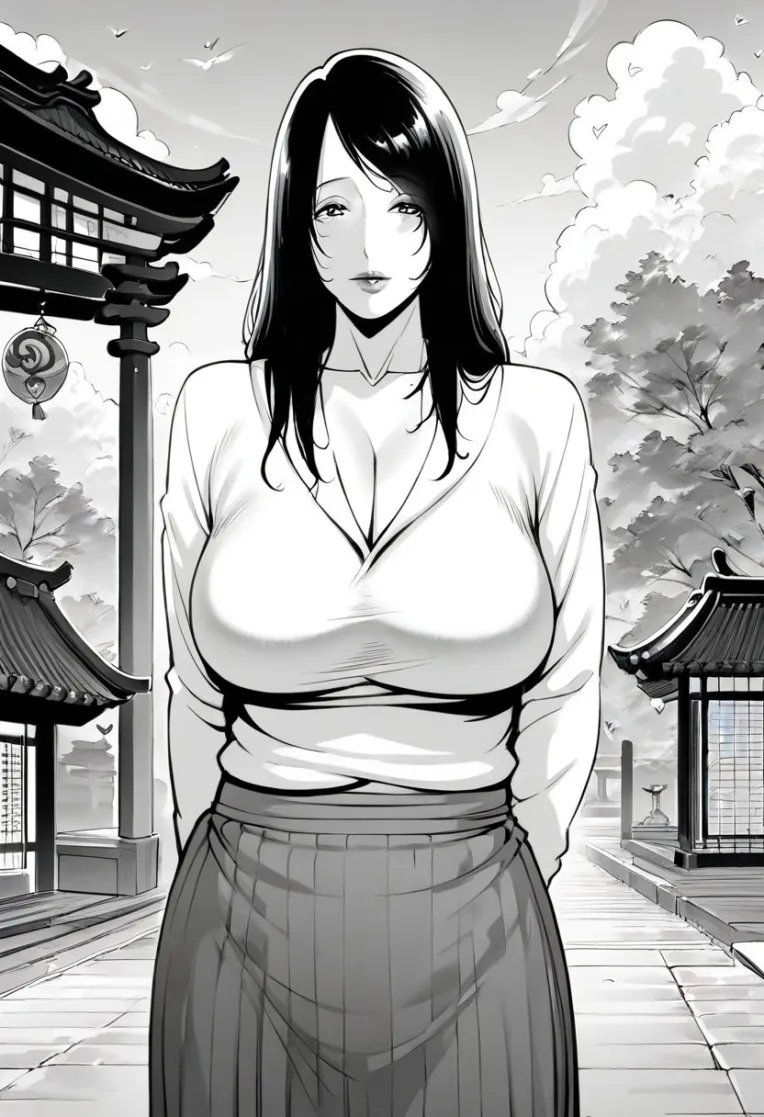
The phrase ‘kotowarenai haha’ simply means ‘unanswerable mother.’ Have you ever found yourself in a situation where your mother’s wisdom leaves you speechless, unable to provide a response? The enigma of a ‘kotowarenai haha’ is one that many can relate to on a deeper level. It holds a unique power that transcends language barriers, evoking a sense of respect and admiration. Join us as we delve into the intriguing world of ‘kotowarenai haha’ and uncover the profound insights it offers.

The Powerful Influence of Kotowarenai Haha in Japanese Culture
Welcome, curious minds, to a fascinating journey into the heart of Japanese culture. Today, we delve into the realm of the ‘kotowarenai haha’, a term that embodies a complex yet deeply rooted concept in Japanese society. Join me as we unravel the layers of meaning behind this intriguing phrase and explore its significance in the lives of many.
Understanding Kotowarenai Haha
‘Kotowarenai haha’ is a phrase in Japanese that translates to ‘mother who cannot refuse.’ It reflects the traditional role of mothers in Japanese families, where selflessness and sacrifice are revered virtues. Mothers who embody the ‘kotowarenai’ spirit are seen as pillars of strength, always putting the needs of their families before their own desires.
For many Japanese people, the image of a ‘kotowarenai haha’ evokes feelings of respect, gratitude, and sometimes even a sense of guilt for the sacrifices mothers make. This concept is deeply ingrained in Japanese culture and is often portrayed in literature, films, and popular media as a symbol of maternal love and devotion.
The Origins of Kotowarenai Haha
The roots of the ‘kotowarenai haha’ can be traced back to traditional Japanese values such as filial piety, or ‘oyako shinju,’ which emphasizes the importance of respecting and caring for one’s parents. In a society where harmony and interconnectedness are highly valued, the role of the mother as a caregiver and nurturer is revered.
Throughout history, Japanese mothers have been expected to embody the virtues of patience, selflessness, and unwavering dedication to their families. This cultural expectation has shaped the perception of motherhood in Japan and continues to influence the way mothers are viewed and respected in society.
The Modern Interpretation of Kotowarenai Haha
While the traditional image of the ‘kotowarenai haha’ remains prevalent in Japanese culture, modern interpretations are starting to challenge this stereotype. As societal norms evolve and women’s roles in the workforce expand, the idea of a mother who cannot refuse is being redefined.
Many Japanese mothers today are striving to find a balance between fulfilling their familial duties and pursuing their own passions and ambitions. The pressure to conform to the ideal of the ‘kotowarenai haha’ is being questioned, giving rise to a new narrative of motherhood that embraces independence, self-care, and personal fulfillment.
The Impact of Kotowarenai Haha on Society
The concept of the ‘kotowarenai haha’ has had a profound impact on Japanese society, shaping the expectations placed on mothers and influencing familial dynamics. The reverence for maternal sacrifice has created a culture where mothers often prioritize their children’s needs above their own well-being.
While the devotion of ‘kotowarenai haha’ is celebrated and admired, it can also create pressure and unrealistic expectations for mothers to be selfless at all costs. This can lead to feelings of guilt, burnout, and emotional strain as mothers navigate the delicate balance between caring for their families and tending to their own needs.
Navigating the Kotowarenai Haha Paradigm
As we reflect on the complexities of the ‘kotowarenai haha’ in Japanese culture, it is essential to recognize the nuances and challenges that come with this revered role. Finding ways to honor the tradition of maternal sacrifice while also promoting self-care and empowerment for mothers is key to fostering a healthier and more equitable society.
By acknowledging the diverse experiences and aspirations of mothers in Japan, we can work towards creating a more inclusive and supportive environment that values the contributions of all caregivers. Empowering mothers to prioritize their well-being and pursue their dreams can lead to more fulfilling and harmonious family relationships.
The Future of Kotowarenai Haha
As we look ahead to the future, the concept of the ‘kotowarenai haha’ continues to evolve in response to changing social dynamics and attitudes towards motherhood. Embracing a more inclusive and compassionate vision of maternal care that honors the diverse roles and identities of mothers is crucial for building a more resilient and empathetic society.
By celebrating the strengths and complexities of mothers in all their forms, we can pave the way for a more balanced and harmonious future where the ‘kotowarenai haha’ is not just a symbol of sacrifice but also of empowerment, resilience, and love.
Join me in celebrating the enduring legacy of the ‘kotowarenai haha’ and honoring the profound influence of mothers in shaping our world with their unwavering love and dedication.
Kotowarenai Haha 1
Frequently Asked Questions
What does ‘kotowarenai haha’ mean in Japanese culture?
‘Kotowarenai haha’ is a Japanese term that translates to ‘unbearable mother.’ It refers to a mother who is overbearing, controlling, or difficult to deal with, often causing stress and friction in family dynamics.
How is the concept of ‘kotowarenai haha’ depicted in Japanese media and literature?
In Japanese media and literature, the character of ‘kotowarenai haha’ is portrayed as a source of conflict and tension within family relationships. Writers and creators use this archetype to explore themes of filial piety, communication breakdowns, and generational differences.
What are some common traits associated with a ‘kotowarenai haha’?
Common traits associated with a ‘kotowarenai haha’ include being overly critical, controlling, manipulative, and emotionally demanding. This character archetype often exhibits a lack of understanding or empathy towards their children’s feelings and autonomy.
How do individuals in Japanese society typically respond to a ‘kotowarenai haha’?
Individuals in Japanese society may respond to a ‘kotowarenai haha’ by navigating complex family dynamics with patience, conflict avoidance, or seeking outside support such as counseling. Some may struggle with feelings of guilt or obligation when dealing with a difficult mother figure.
Is there a cultural significance or lesson to be learned from the concept of ‘kotowarenai haha’?
The concept of ‘kotowarenai haha’ serves as a cultural touchpoint for exploring the complexities of parent-child relationships, expectations, and boundaries. It highlights the importance of communication, empathy, and understanding in maintaining healthy familial connections despite challenges.
Final Thoughts
In conclusion, the ‘kotowarenai haha’ embodies resilience and unwavering strength. Despite facing numerous challenges, she persists without complaint or hesitation. Her selfless sacrifice and determination serve as an inspiration to all. The ‘kotowarenai haha’ navigates life’s obstacles with grace and courage, setting an example for others to follow. Her unconditional love and devotion shine through, making her a true role model for overcoming adversity.